
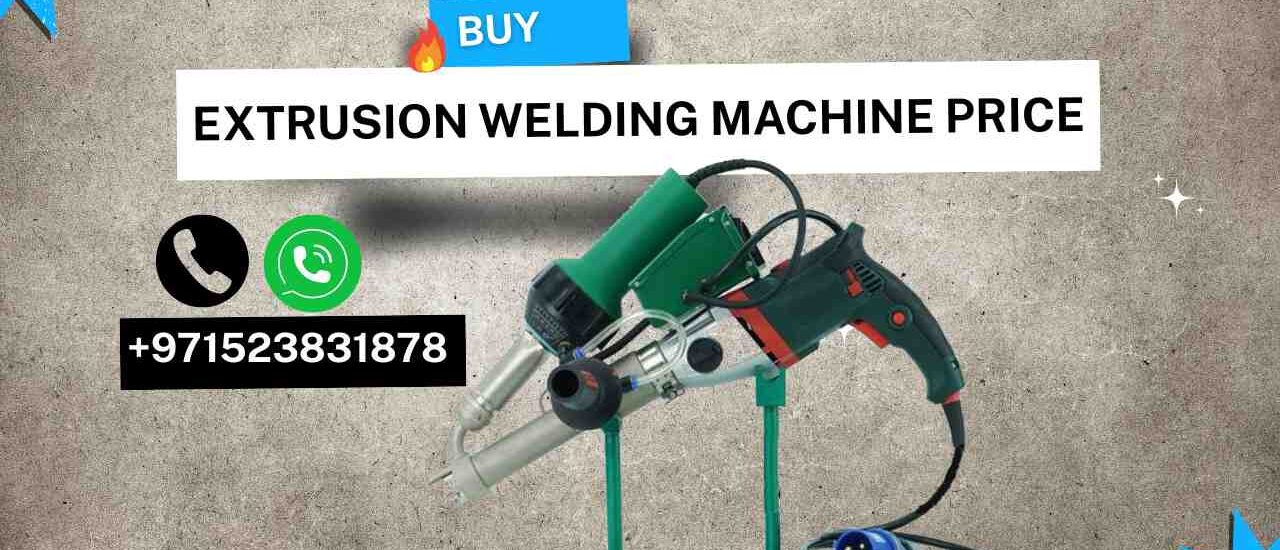
Extrusion Welding Machine Price: Comprehensive Cost Analysis for UAE
Understanding extrusion welding machine price structures enables informed equipment investment decisions balancing capability requirements, budget constraints, and long-term value considerations. Professional extrusion welding equipment pricing reflects manufacturing quality, technological sophistication, brand reputation, and support infrastructure, making comprehensive cost analysis essential for contractors and businesses expanding thermoplastic bonding capabilities throughout UAE markets.
Price Range Overview
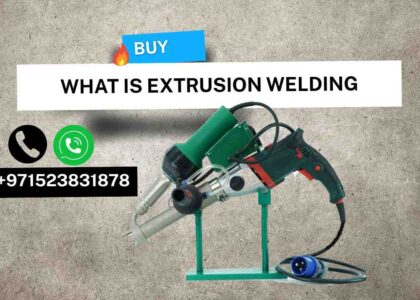
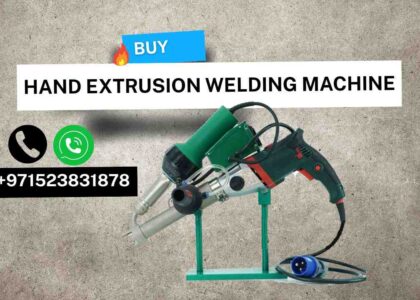
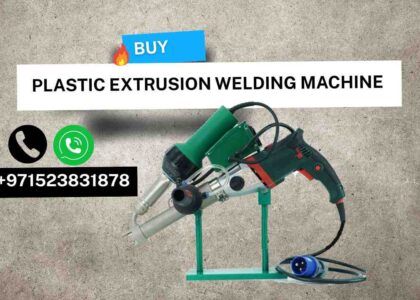
Professional extrusion welding equipment in the UAE market spans various price points reflecting different capability levels and feature sets. The Extrusion Welder for HDPE Geomembrane at AED 8,500 to AED 9,500 represents mid-range professional equipment delivering reliable performance for demanding applications across environmental construction, industrial containment, and waterproofing projects.
This pricing reflects sophisticated engineering including digital temperature control systems, precision material feed mechanisms, ergonomic design considerations, and durable construction using quality components throughout manufacturing. Investment at this level ensures consistent professional capability meeting industry standards and regulatory requirements.
The Extrusion Welding Machine priced at AED 8,500 to AED 9,500 delivers complete turnkey capability including all necessary components for immediate productive deployment. This investment level positions contractors competitively for projects requiring manual welding precision that automated systems cannot provide.
Factors Influencing Equipment Pricing
Multiple considerations affect extrusion welding machine costs in competitive UAE markets. Temperature control sophistication significantly impacts pricing—digital systems offering precise adjustments between 20°C and 650°C with real-time monitoring command premium positioning compared to basic analog controls with limited adjustment range.
Material feed mechanism quality influences cost through precision engineering ensuring consistent 4mm thick HDPE welding rod processing regardless of operator technique variations. Advanced feed systems incorporate variable speed controls, anti-jamming features, and wear-resistant components justifying higher investment through enhanced reliability and reduced maintenance.
Build quality and component durability determine long-term value. Professional-grade machines using premium heating elements, reinforced housings, quality electrical components, and robust mechanical assemblies justify higher initial cost through extended service life, reduced maintenance frequency, and lower total ownership expenses.
Ergonomic design sophistication affects pricing through engineering investment in operator comfort, control intuitiveness, and fatigue reduction. Advanced ergonomics enhance productivity during extended operations while reducing operator strain, creating value through improved performance and worker wellbeing.
Brand reputation and support infrastructure contribute to pricing structures. Established manufacturers offering comprehensive warranties, responsive technical support, extensive spare parts inventory, and proven reliability command premium pricing reflecting investment in customer success and long-term operational support.
Cost Comparison and Value Assessment
Equipment pricing evaluation requires considering total ownership costs beyond initial purchase. Professional machines at mid-range pricing typically deliver superior value through reliability reducing repair costs, efficiency enhancing productivity, and longevity extending service life compared to budget alternatives requiring frequent maintenance. Buy the best rubber pond liner.
Energy efficiency impacts operational costs throughout equipment lifetime. Efficient heating systems reduce electrical consumption generating cumulative savings offsetting higher initial investment. Energy costs accumulate significantly over years of operation making efficiency considerations important value factors.
Maintenance requirements affect total ownership costs substantially. Quality equipment designed for serviceability with accessible components and available spare parts minimizes maintenance expenses and downtime compared to poorly designed alternatives requiring extensive service or complete replacement when components fail.
Warranty coverage provides financial protection and reflects manufacturer confidence. Comprehensive warranties reduce risk associated with equipment investment while indicating quality standards and reliability expectations. Extended coverage periods justify premium pricing through enhanced value protection.
Investment Return Analysis
Extrusion welding equipment investment generates returns through multiple channels. Direct project revenue from welding services provides primary return. Equipment capability enables bidding projects requiring manual welding precision that contractors without extrusion equipment cannot accommodate confidently.
Cost savings from eliminated subcontractor expenses enhance profitability. In-house capability performs repairs, details, and specialized applications without external service costs and associated markups. These savings accumulate rapidly across multiple projects recovering equipment investment.
Service expansion opportunities create additional revenue streams. Comprehensive capability including both automated Top rated Wedge Welding Machine systems at AED 5,500 to AED 12,000 and extrusion welding equipment positions contractors for complete installation packages, maintenance contracts, and specialized applications generating premium pricing and customer loyalty.
Emergency repair capability provides competitive advantage. Immediate response to containment failures, damage incidents, or quality issues differentiates service providers enabling premium pricing for rapid mobilization and expert problem resolution.
Financing and Procurement Options
Equipment acquisition financing preserves working capital for other business needs. Many UAE suppliers offer payment plans, leasing arrangements, or financing programs making professional equipment accessible without substantial cash outlay. Monthly payments aligned with project revenue facilitate equipment acquisition supporting business growth.
Package deals combining multiple equipment types or bulk purchases often include preferential pricing. Contractors equipping operations comprehensively benefit from volume discounts and bundled support services enhancing overall value.
Trade-in programs facilitate equipment upgrading by applying residual value from existing equipment toward new purchases. This approach reduces net investment while ensuring access to current technology and capability.
Price Negotiation Considerations
Equipment pricing often includes negotiation flexibility particularly for volume purchases, package deals, or established customer relationships. Professional negotiation addressing total value including warranty terms, training inclusion, spare parts packages, and support services maximizes investment return beyond basic equipment cost reduction.
Seasonal purchasing timing may influence pricing with promotional periods offering advantageous terms. Market conditions, inventory levels, and new model introductions create opportunities for favorable pricing negotiations.
Quality Verification and Due Diligence
Price evaluation should include quality verification ensuring equipment meets professional standards. Certification compliance, manufacturer reputation, user references, and demonstration opportunities provide confidence regarding capability and reliability justifying investment decisions.
Comparison shopping across multiple suppliers identifies market pricing ranges and available options. Comprehensive evaluation considering equipment features, warranty terms, support quality, and total value enables informed selection beyond simple price comparison.
Long-Term Value Considerations
Equipment investment extends beyond initial acquisition to operational lifetime value. Durability, reliability, efficiency, and support quality determine total ownership experience and costs. Premium pricing often delivers superior value through enhanced performance, extended service life, and comprehensive support compared to budget alternatives with hidden costs.
Residual value considerations affect total investment calculation. Quality equipment maintains worth enabling advantageous resale or trade-in when upgrading. Recognized brands retain value better than unknown alternatives facilitating future equipment transactions.
Conclusion
Extrusion welding machine pricing in UAE markets reflects capability, quality, and support varying across equipment models and manufacturers. Comprehensive cost analysis considering initial investment, operational expenses, revenue generation, and long-term value enables informed equipment selection supporting business success across geomembrane installation, waterproofing, and industrial containment applications.
About The Author