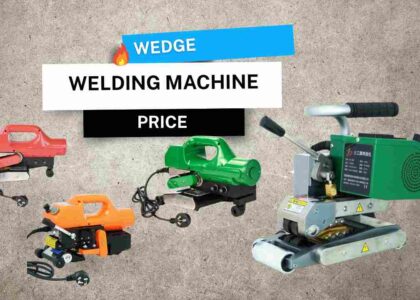

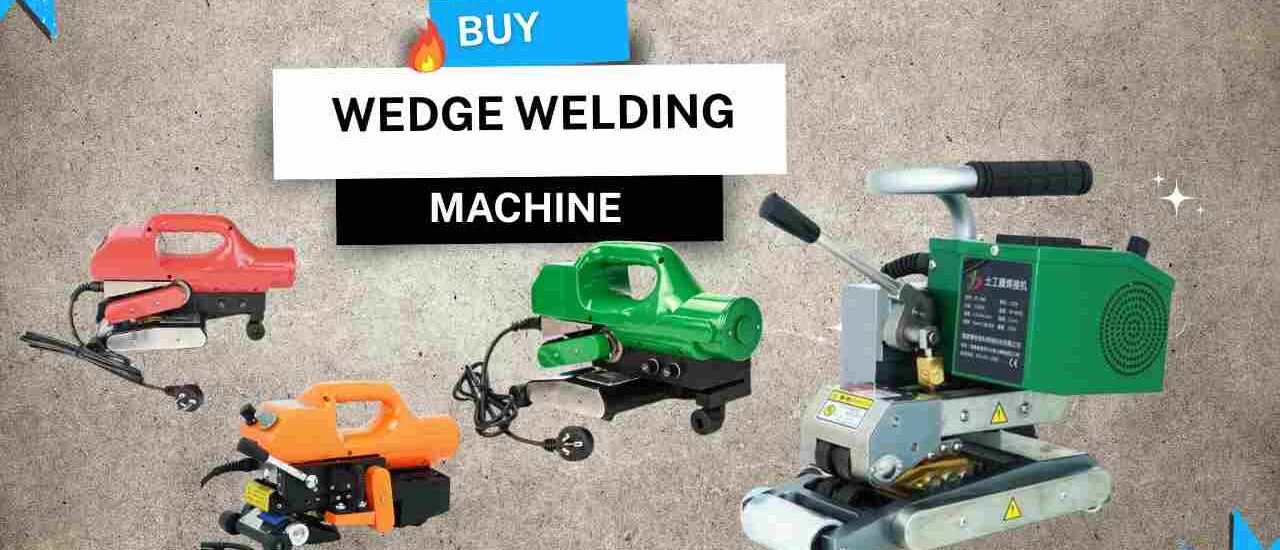
When it comes to high-quality geomembrane installation and liner fabrication, investing in the right equipment is crucial for project success. If you’re looking to buy wedge welding machine equipment, understanding the technology, applications, and benefits will help you make an informed purchasing decision.
Understanding Wedge Welding Technology
Wedge welding, also known as hot wedge welding or hot air welding, is a thermoplastic welding process that uses heated air to melt and fuse synthetic materials together. This method is particularly effective for joining thermoplastic membranes, geotextiles, and polymer sheets used in civil engineering, environmental protection, and construction projects.
The HDPE geomembrane welding machine operates by directing hot air through a wedge-shaped nozzle, heating the material surfaces to their melting point without direct contact. As the materials soften, pressure rollers immediately join them, creating a strong, homogeneous bond that often exceeds the strength of the parent material itself.
Applications Across Industries
Modern wedge welding equipment serves numerous industrial applications. Landfill liner installation requires precision welding to prevent environmental contamination. Water containment projects, including reservoirs, ponds, and canal lining, depend on leak-proof seams. Mining operations use these machines for heap leach pad construction and tailings pond lining. Agricultural applications include irrigation pond liners and biogas digester construction.
Complementary Welding Technologies
While wedge welders excel at long, straight seams, complex projects often require multiple welding methods. The HDPE extrusion welding machine complements wedge welding by handling detail work, repairs, and areas where automated equipment cannot reach. Extrusion welding melts polymer rod material and deposits it along the seam, making it ideal for patches, corners, and pipe penetrations.
Key Features to Consider
When evaluating geomembrane welding equipment for purchase, consider several critical specifications. Temperature control systems must provide precise, adjustable heat settings for different material thicknesses and polymer types. Welding speed capabilities should match your project requirements, typically ranging from 1 to 6 meters per minute. Seam width options—commonly 20mm to 40mm—affect joint strength and material compatibility.
Quality machines feature digital temperature displays, automatic pressure control, and adjustable welding angles. Portable models offer flexibility for field applications, while heavier industrial units provide enhanced stability for large-scale projects.
Quality Assurance and Testing
Professional welding equipment enables consistent seam quality that can be verified through destructive and non-destructive testing methods. Peel tests, shear tests, and air pressure testing ensure that welds meet ASTM, GRI, and other international standards for geomembrane installation.
Investment Benefits
Purchasing dedicated welding equipment offers significant advantages over renting or contracting. Long-term cost savings accumulate quickly on multiple projects. Equipment ownership provides scheduling flexibility and eliminates rental availability constraints. In-house capability development builds valuable team expertise and reduces dependency on external contractors.
Conclusion
Whether you’re a contractor specializing in environmental construction, a civil engineering firm, or an industrial facility manager, investing in professional-grade wedge welding technology represents a smart business decision. Quality equipment delivers reliable performance, consistent weld integrity, and long-term value that supports your project success and client satisfaction.
About The Author